What Is an Electrical Overload?
An electrical overload occurs when a circuit or electrical system is required to carry more electricity than it was designed to handle. When this happens, safety devices such as circuit breakers or safety switches will trip to prevent overheating, equipment damage, or fire.
While these safety mechanisms do their job well, frequent tripping is a clear sign that something isn’t right — and it should never be ignored.
Why Ipswich Homes Are Especially Vulnerable
1. Older Homes with Outdated Wiring
Ipswich is known for its character homes, post-war builds, and older brick properties. While these homes have charm, many still rely on electrical systems designed decades ago — long before air conditioners, induction cooktops, EV chargers, or home offices were common.
Older homes often have:
Limited circuit capacity
Smaller switchboards
Outdated wiring not designed for modern loads
Even if the wiring itself isn’t unsafe, it may simply lack the capacity to support today’s power usage.
2. Modern Power-Hungry Appliances
Today’s households use significantly more electricity than ever before. Common contributors to overloads include:
Multiple air conditioners running simultaneously
Dishwashers, dryers, and washing machines used together
Induction cooktops and large ovens
Pool pumps and spa heaters
Home office setups with computers, monitors, and servers
When too many high-load appliances run on the same circuit, overloads become almost inevitable.
3. Switchboards That Haven’t Been Upgraded
Many Ipswich homes still have older-style switchboards that were never designed to support modern circuit demands. In some cases, we still encounter ceramic fuses or undersized circuit protection.
Under Queensland electrical safety laws, switchboards must meet current safety standards — especially when upgrades or renovations are carried out. An outdated switchboard significantly increases the risk of overloads and electrical faults.
4. Poorly Planned Renovations or Extensions
Home renovations are another major contributor to electrical overloads. It’s not uncommon for new rooms, kitchens, or outdoor areas to be added without properly upgrading the electrical infrastructure.
This can result in:
Too many power points on a single circuit
Appliances sharing circuits not designed for the load
Inadequate protection for new electrical demands
Electrical work in Queensland must be designed and installed by a licensed electrician, and cutting corners can quickly lead to serious issues.
Warning Signs of an Electrical Overload
If you notice any of the following, your home may be experiencing electrical overloads:
Circuit breakers or safety switches tripping frequently
Lights flickering or dimming when appliances turn on
Power points or switches feeling warm
Burning smells near switchboards or outlets
Appliances not operating at full capacity
These signs should never be ignored. Electrical faults can escalate quickly, increasing the risk of fire or electric shock.
How Electrical Overloads Are Fixed — The Right Way
1. Electrical Load Assessment
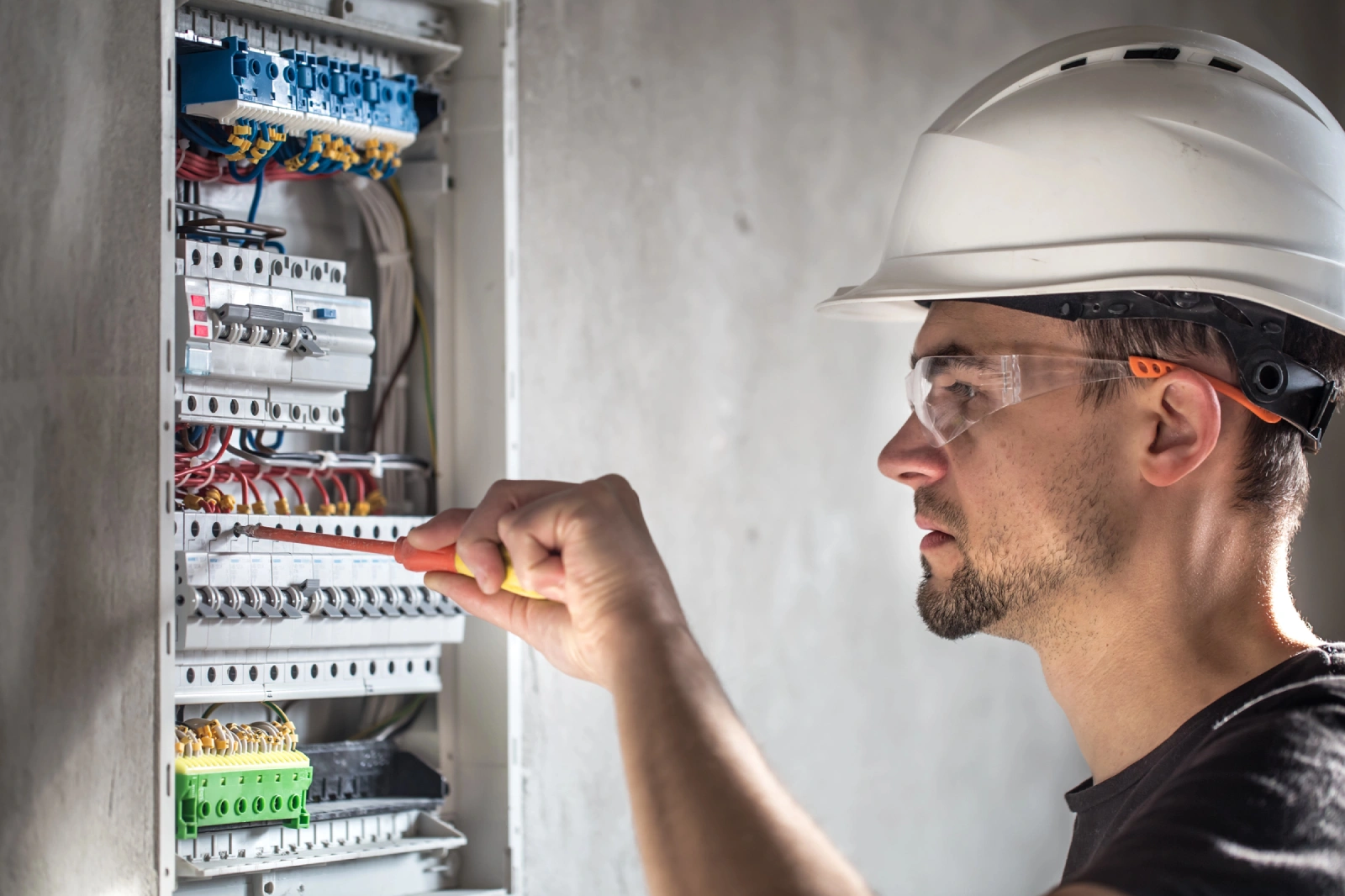
The first step is a professional electrical assessment. A licensed electrician will evaluate:
Your current electrical load
Existing circuits and wiring
Switchboard capacity
Appliance demands now and in the future
This allows us to design a solution that complies with Queensland and Australian Standards (AS/NZS 3000).
2. Switchboard Upgrades
One of the most effective solutions is a switchboard upgrade. Modern switchboards include:
Properly rated circuit breakers
Safety switches (RCDs)
Space for additional circuits
A compliant switchboard significantly improves safety and allows your home to handle modern power demands reliably.
3. Adding or Rebalancing Circuits
Rather than overloading existing circuits, a licensed electrician can:
Add dedicated circuits for high-load appliances
Rebalance loads across multiple circuits
Ensure correct cable sizing and protection
This reduces nuisance tripping and improves overall system performance.
4. Planning for Future Power Needs
Ipswich homes are increasingly adopting:
Solar systems
Battery storage
Electric vehicle chargers
Smart home technology
A well-designed electrical system accounts for future upgrades, saving you money and stress down the track.
Why You Should Never DIY Electrical Overload Fixes
In Queensland, electrical work is strictly regulated. Performing unlicensed electrical work is illegal and extremely dangerous. DIY fixes can:
Void insurance policies
Increase fire risk
Lead to serious injury or death
Result in fines or legal consequences
Only a licensed Queensland electrician can legally and safely modify electrical circuits, switchboards, or wiring.
Why Ipswich Homeowners Trust Uncommon Electricians
At Uncommon Electricians, we specialise in diagnosing and fixing electrical overload issues across Ipswich and surrounding areas. Our clients choose us because we’re:
Fully licensed and insured in Queensland
Punctual, tidy, and transparent
Focused on long-term safety, not quick fixes
Clear in our communication and pricing
We don’t just stop the breaker from tripping — we identify the root cause and fix it properly.
Book a Professional Electrical Assessment Today
If your Ipswich home is experiencing electrical overloads, don’t wait for a bigger problem to develop.
Give us a call at 07 3074 9486 or visit our website at to schedule your next maintenance check.