At Uncommon Electricians, we carry out electrical safety inspections across Ipswich and surrounding areas, often uncovering hidden issues long before they turn into dangerous or costly problems. In this article, we’ll walk you through exactly what happens during a professional electrical safety inspection, why it matters, and how it helps keep your home compliant with Queensland electrical laws.
What Is an Electrical Safety Inspection?
An electrical safety inspection is a systematic examination of your home’s electrical system to ensure it is:
Safe to operate
Compliant with Australian Standards
Suitable for current and future electrical loads
In Queensland, all electrical work must comply with the Electrical Safety Act 2002, the Electrical Safety Regulation 2013, and AS/NZS 3000 (Wiring Rules). A professional inspection checks your system against these requirements and identifies any risks that need attention.
Step-by-Step: What Happens During a Professional Inspection?
1. Initial Discussion and Safety Preparation
The inspection begins with a conversation about:
The age of the property
Recent electrical work or renovations
Known issues or concerns
Future electrical plans
This allows the electrician to tailor the inspection to your home’s specific needs while ensuring all safety procedures are followed before testing begins.
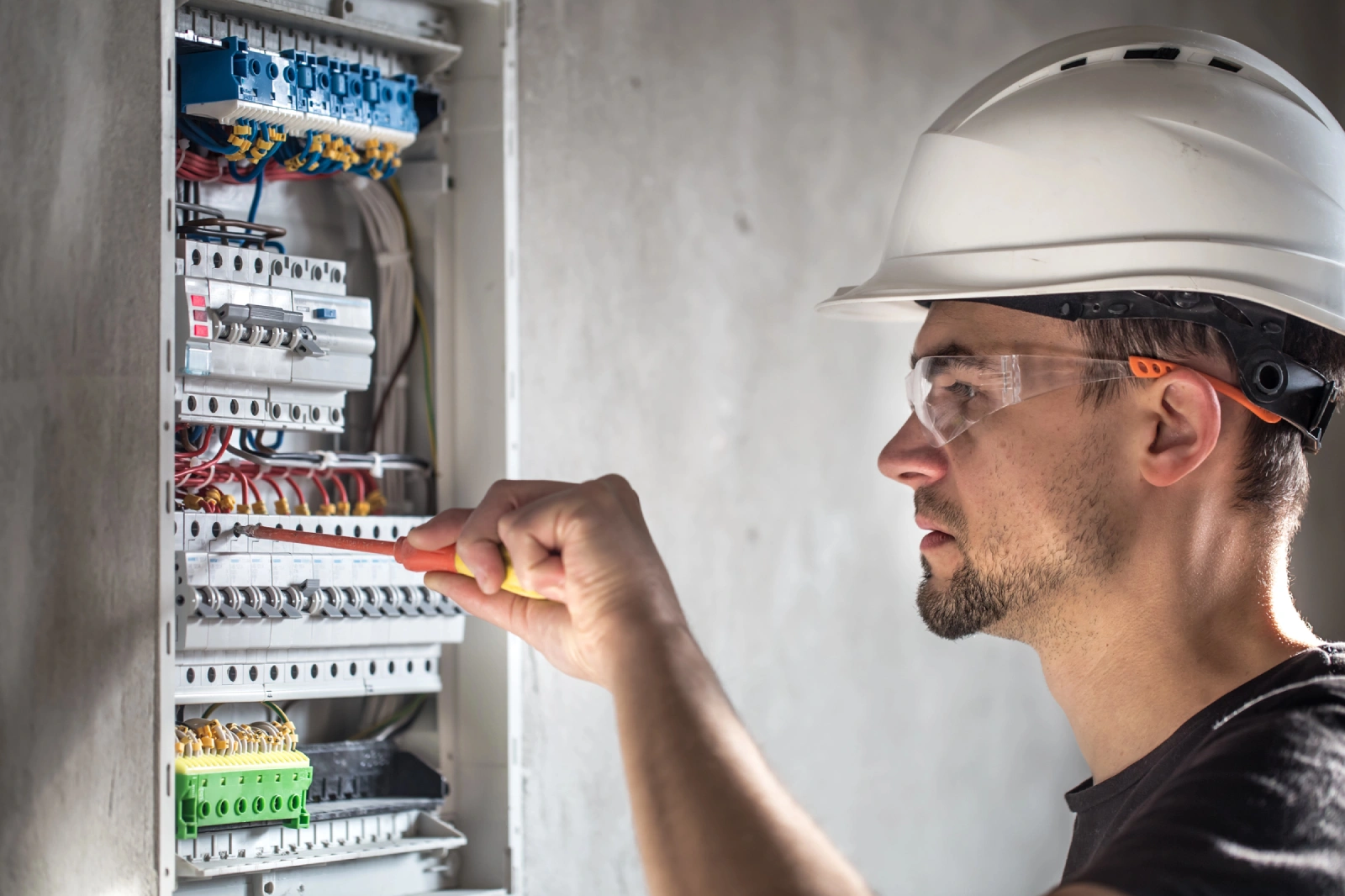
2. Switchboard Assessment
The switchboard is the heart of your electrical system and one of the most critical inspection points. During this stage, we check:
Circuit breaker condition and ratings
Presence and operation of safety switches (RCDs)
Labelling and circuit identification
Signs of overheating, corrosion, or damage
Compliance with current Queensland safety requirements
Outdated or non-compliant switchboards are one of the most common issues we find in Ipswich homes.
3. Safety Switch (RCD) Testing
Safety switches are designed to cut power in milliseconds if a fault is detected. During an inspection, a licensed electrician will:
Test each RCD for correct operation
Confirm response times meet standards
Ensure appropriate circuits are protected
Missing or faulty safety switches significantly increase the risk of electric shock and can impact insurance coverage.
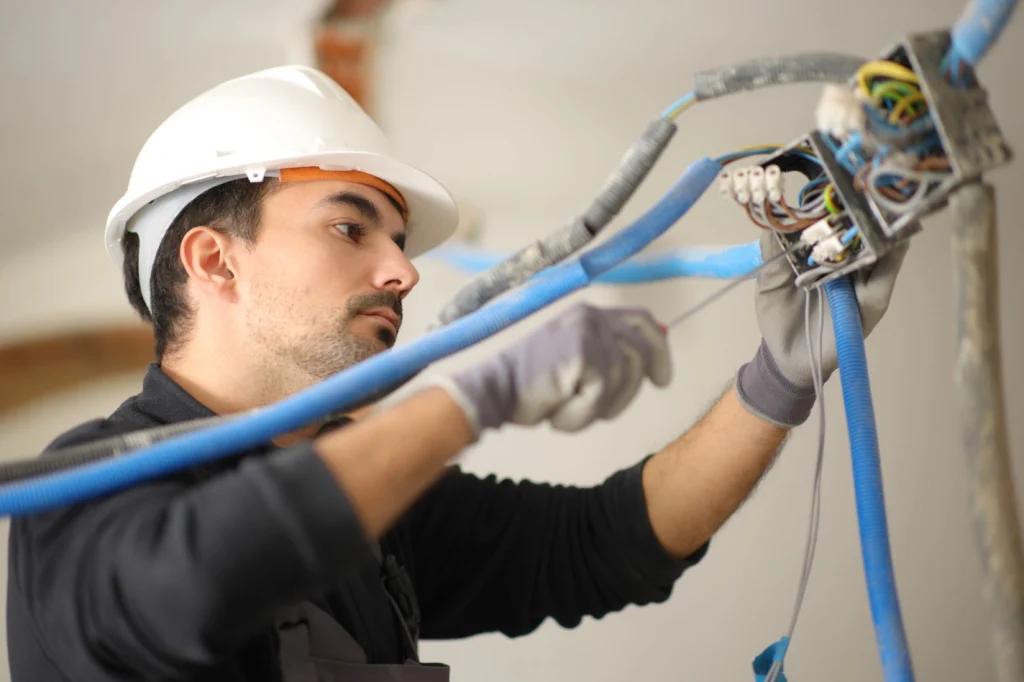
4. Wiring Condition and Compliance Checks
We assess visible and accessible wiring to identify:
Deterioration or damage
Incorrect cable sizes
Non-compliant installation methods
Signs of previous unlicensed work
While not all wiring can be accessed without invasive work, experienced electricians know where problems commonly occur and how to identify warning signs.
5. Power Points, Switches, and Lighting
Each power point, switch, and light fitting is visually inspected and tested for:
Secure installation
Correct polarity and earthing
Signs of heat damage or wear
Compliance with wet area and outdoor requirements
Faulty power points and light fittings are a common cause of electrical faults and should never be ignored.
6. Earthing and Bonding Checks
Proper earthing is essential for electrical safety. The inspection confirms:
Effective earthing connections
Correct bonding of metal components
Compliance with current standards
Poor earthing can prevent safety devices from operating correctly, increasing the risk of injury.
7. Load and Circuit Assessment
Modern homes place high demands on electrical systems. A professional inspection evaluates:
Circuit loading
Appliance demands
Potential overload risks
Capacity for future upgrades
This step is particularly important in older Ipswich homes where electrical systems may not match modern usage.
What an Inspection Does Not Include
It’s important to understand that an electrical safety inspection:
Does not involve unlicensed or DIY testing
Does not include repairs unless approved
Does not encourage homeowners to perform electrical work themselves
Any identified issues must be rectified by a licensed Queensland electrician.
What Happens After the Inspection?
After the inspection, you’ll receive:
A clear explanation of any safety concerns
Recommendations prioritised by risk level
Advice on compliance and upgrades
Transparent pricing for any required work
At Uncommon Electricians, we focus on education, not pressure — so you can make informed decisions about your property.
Why Electrical Safety Inspections Matter
Regular inspections:
Reduce the risk of electrical fires
Improve household safety
Protect insurance coverage
Identify problems early
Support property value and compliance
They’re one of the smartest preventative steps a homeowner can take.
Why Choose Uncommon Electricians?
Ipswich homeowners trust Uncommon Electricians because we:
Are fully licensed and insured in Queensland
Arrive on time and work neatly
Explain issues in plain English
Never cut corners or upsell unnecessarily
We treat every inspection as if it were our own home.
If it’s been years since your home was inspected — or if it’s never been done — now is the time.
We’ll help ensure your electrical system is safe, compliant, and ready for the future — the uncommon way.
Give us a call at 07 3074 9486 or book a service on our website.