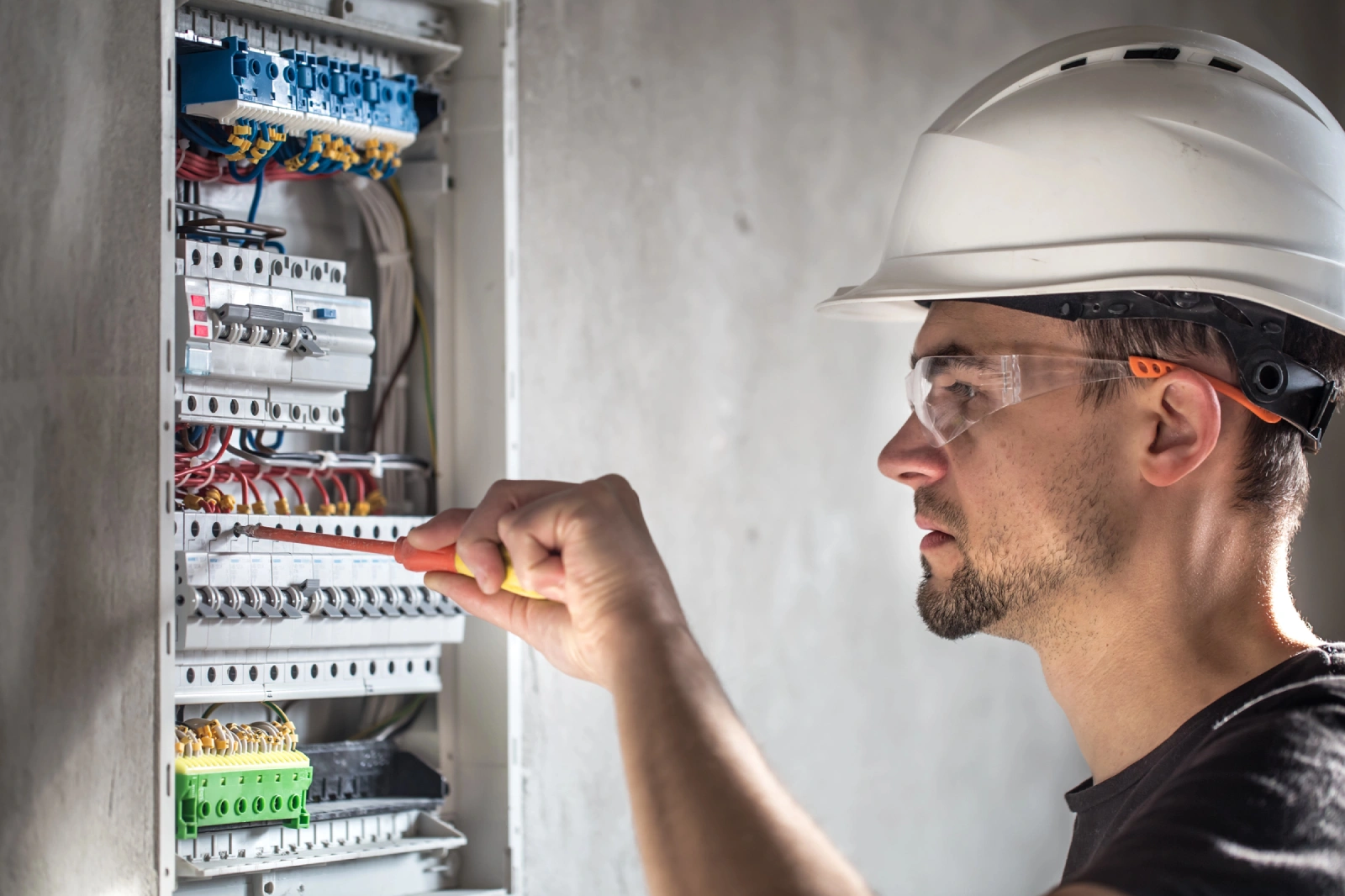
At Uncommon Electricians, we carry out electrical inspections and repairs in Ipswich almost daily. Over time, certain issues come up again and again — many of them hidden, overlooked, or assumed to be “normal”. In this article, we’ll break down the most common electrical defects we find in Ipswich properties, why they’re dangerous, and how a licensed electrician can fix them safely and legally.
Why Electrical Defects Are So Common in Ipswich Homes
Many Ipswich properties were built during periods when:
Electrical standards were very different
Homes had far fewer appliances
Safety switches weren’t required
Power demand was minimal
Add decades of renovations, DIY work, and increased electrical usage, and it’s no surprise that defects are common — even in homes that “seem fine”.
1. Outdated or Non-Compliant Switchboards
One of the most frequent defects we encounter is an outdated switchboard. Common issues include:
Ceramic fuses instead of modern circuit breakers
No safety switches (RCDs)
Overcrowded or poorly labelled boards
Signs of overheating or corrosion
Under Queensland electrical laws, switchboards must meet current safety standards when electrical work is carried out. Older boards often struggle to cope with modern loads and present a serious safety risk.
2. Missing or Faulty Safety Switches
Safety switches save lives — yet many Ipswich homes still have:
No safety switches at all
Partial coverage only
Faulty or non-functioning RCDs
Without proper safety switch protection, the risk of electric shock or fatal injury increases significantly. This is one of the first things we check during inspections.
3. Overloaded Circuits
Older homes were never designed to support:
Multiple air conditioners
Induction cooktops
Home offices
Pool equipment
Modern entertainment systems
We often find too many power points and appliances running on a single circuit, leading to:
Tripping breakers
Flickering lights
Overheating wiring
Overloaded circuits are a leading contributor to electrical fires.
4. Loose or Deteriorating Electrical Connections
Loose connections are one of the most dangerous — and most overlooked — electrical defects. They can occur at:
Switchboards
Power points
Light fittings
Junction boxes
Loose connections create resistance, which generates heat over time. Many house fires start from exactly this issue, often with no visible warning beforehand.
5. Aging or Degraded Wiring
In older Ipswich homes, we sometimes find:
Cloth-insulated wiring
Rubber or VIR cables
Wiring damaged by rodents or moisture
Insulation breakdown due to age
While power may still flow, degraded wiring often no longer meets modern safety standards and can become brittle, cracked, or unsafe under load.
6. Non-Compliant DIY or Unlicensed Electrical Work
Unfortunately, DIY electrical work is something we see far too often. Common examples include:
Poorly installed power points
Hidden junctions behind walls
Incorrect cable sizes
Unsafe lighting installations
DIY electrical work is illegal in Queensland and poses serious safety, insurance, and legal risks. These defects often remain hidden until an inspection or failure occurs.
7. Insufficient Power Points
A lack of power points leads many homeowners to rely heavily on power boards — another common risk factor. We regularly find:
Multiple power boards on one outlet
Daisy-chained boards
High-load appliances plugged into boards
This setup increases the risk of overheating and fire, particularly in older homes.
8. Poor Earthing and Bonding
Proper earthing is critical for electrical safety. In Ipswich properties, we sometimes find:
Inadequate earthing systems
Missing earth connections
Incorrect bonding of metal components
Poor earthing can prevent safety devices from operating correctly and significantly increases electric shock risk.
9. Lighting That Doesn’t Meet Current Standards
Lighting defects are common, especially in bathrooms, kitchens, and outdoor areas. Issues include:
Incorrect IP ratings
Unsafe placement near water
Poor ventilation causing heat buildup
Incompatible LED conversions
Lighting may work, but still be unsafe or non-compliant.
Why These Defects Are Often Ignored
Many of these issues persist because:
Everything still “works”
Problems are intermittent
Defects are hidden behind walls
Homeowners assume age equals safety
Unfortunately, electrical systems rarely fail without warning — the warning signs are just easy to dismiss.
Queensland Electrical Laws and Compliance
In Queensland, electrical installations must comply with:
Electrical Safety Act 2002
Electrical Safety Regulation 2013
AS/NZS 3000 (Wiring Rules)
All electrical work must be carried out by a licensed electrician. Ignoring known defects can also impact insurance coverage and legal liability.
What Homeowners Should Never Do
If you suspect an electrical defect, you should never:
Attempt DIY repairs
Ignore recurring issues
Reset tripping breakers repeatedly
Assume old installations are safe
Electrical faults should always be assessed by a licensed professional.
How Uncommon Electricians Identify and Fix Electrical Defects
At Uncommon Electricians, our inspections focus on:
Safety first
Compliance with current standards
Identifying hidden risks
Providing clear, honest advice
We prioritise defects based on risk, not sales pressure.
Book a Professional Electrical Inspection Today
If your home is in Ipswich and hasn’t been electrically inspected in years — or ever — now is the time.
We’ll help uncover hidden risks, improve safety, and keep your home compliant — the uncommon way.
Give us a call at 07 3074 9486 or book a service on our website.