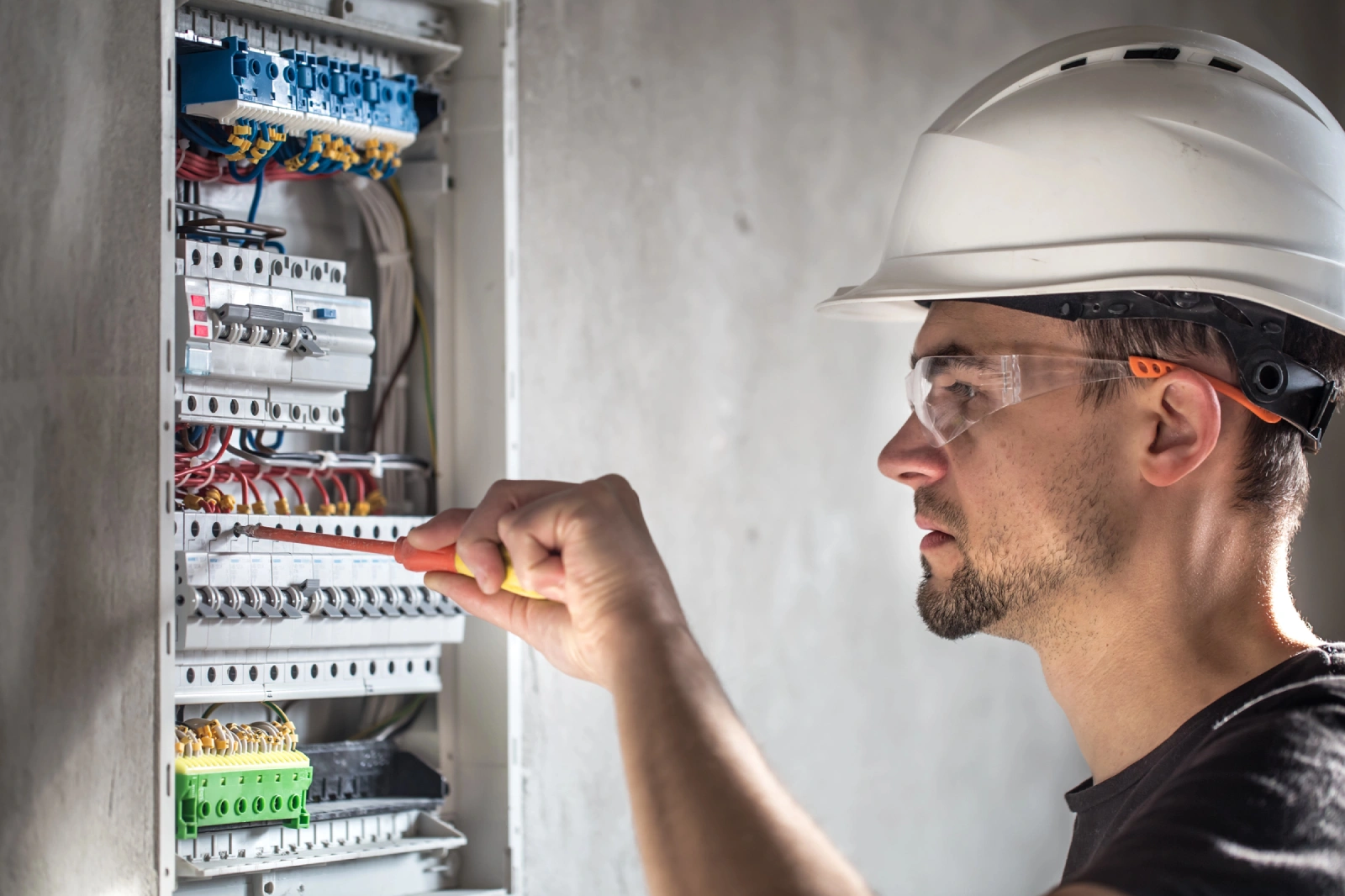
At Uncommon Electricians, we regularly inspect switchboards across Ipswich and surrounding areas and find that many simply aren’t equipped to handle today’s electrical loads. In this article, we’ll explain what a switchboard does, why older switchboards struggle with modern appliances and EV chargers, and how to ensure your home remains safe, compliant, and future-ready.
What Does a Switchboard Actually Do?
Your switchboard is the control centre of your home’s electrical system. It:
Distributes power to individual circuits
Protects wiring and appliances via circuit breakers
Houses safety switches (RCDs) that reduce the risk of electric shock
Manages electrical loads across your home
If your switchboard isn’t designed for modern demands, it can become a bottleneck — leading to tripping breakers, voltage drops, overheating, and safety risks.
Why Modern Homes Demand More from Switchboards
1. High-Load Modern Appliances
Modern appliances draw significantly more power than older equivalents, including:
Induction cooktops
Large ovens
Ducted air conditioning systems
Pool pumps and heaters
Home workshop equipment
Older switchboards were never designed to support multiple high-load appliances operating simultaneously.
2. Electric Vehicle (EV) Chargers
EV chargers are one of the biggest game-changers for residential electrical systems. A home EV charger:
Draws a high, sustained electrical load
Often requires a dedicated circuit
Must be protected by appropriate safety devices
Installing an EV charger without assessing switchboard capacity can lead to overloads and serious safety issues.
3. Solar Systems and Battery Storage
Solar panels and batteries introduce new power flows into your switchboard. Without proper design and protection, this can:
Overload existing components
Create compliance issues
Increase fire risk
Switchboards must be compatible with both grid and solar supply.
4. Home Offices and Smart Technology
Remote work and smart homes have added:
Multiple computers and monitors
Servers and networking equipment
Smart lighting and automation systems
These constant loads add up quickly and stress outdated systems.
Signs Your Switchboard Isn’t Ready
You may have an underperforming or non-compliant switchboard if you notice:
Frequent circuit breaker trips
Flickering or dimming lights
Limited space for new circuits
Ceramic fuses instead of modern breakers
Missing or outdated safety switches
Warmth or burning smells near the board
These are not issues to ignore.
Signs Your Switchboard Isn’t Ready
You may have an underperforming or non-compliant switchboard if you notice:
Frequent circuit breaker trips
Flickering or dimming lights
Limited space for new circuits
Ceramic fuses instead of modern breakers
Missing or outdated safety switches
Warmth or burning smells near the board
These are not issues to ignore.
Queensland Electrical Laws and Switchboard Requirements
In Queensland, electrical installations must comply with:
Electrical Safety Act 2002
Electrical Safety Regulation 2013
AS/NZS 3000 (Wiring Rules)
When significant electrical work is carried out — such as installing EV chargers, solar systems, or major appliances — switchboards often must be upgraded to meet current safety standards.
All electrical work must be performed by a licensed Queensland electrician. DIY or unlicensed work is illegal and extremely dangerous.
What Happens During a Switchboard Upgrade?
A professional switchboard upgrade may include:
Replacing old fuses with modern circuit breakers
Installing safety switches (RCDs) on all required circuits
Adding space for future circuits
Upgrading cabling and labelling
Ensuring compliance with current standards
A licensed electrician will also assess your home’s total electrical load and design the system accordingly.
Why You Should Plan Ahead
Switchboard upgrades aren’t just about today — they’re about the future. Planning ahead allows:
Easier EV charger installation later
Fewer disruptions during future upgrades
Improved electrical reliability
Better insurance compliance
Increased property value
A future-ready switchboard saves money and stress in the long run.
What Homeowners Should Never Do
For safety and legal reasons, homeowners should never:
Modify or access switchboards
Install EV chargers themselves
Replace circuit breakers without assessment
Ignore ongoing electrical issues
Electrical work in Queensland must always be carried out by a licensed electrician.
Why Ipswich Homeowners Trust Uncommon Electricians
At Uncommon Electricians, we specialise in modern electrical solutions for Ipswich homes. Our clients choose us because we:
Are fully licensed and insured in Queensland
Understand modern electrical demands
Deliver neat, compliant workmanship
Provide honest, future-focused advice
We design electrical systems that grow with your lifestyle.
Book a Switchboard Assessment Today
If you’re considering new appliances, solar, or an EV charger — or if your switchboard hasn’t been upgraded in years — now is the time to act.
We’ll ensure your switchboard is safe, compliant, and ready for the future — the uncommon way.
Give us a call at 07 3074 9486 or book a service on our website.