In a modern Ipswich home, electronics are everywhere—from the big-screen TV and sound system in the living room to the computers, smart devices, and gaming consoles in every room. To power them all, most of us rely on a trusty power board. But have you ever stopped to consider if that power board is actually protecting your expensive gear?
The answer is often no. There’s a critical difference between a simple power board and a true surge protector, and understanding it can save you from a very costly mistake.
Power Board vs. Surge Protector: What’s the Difference?
A power board is essentially a multi-outlet extension cord. Its only job is to provide more power points from a single wall outlet, offering convenience and reducing cable clutter. It provides no protection whatsoever against fluctuations in power.
A surge protector, on the other hand, is built to safeguard your electronics. While it looks like a power board, it contains a key component called a Metal Oxide Varistor (MOV). This device acts like a pressure relief valve for your electrical system. When a power surge occurs, the MOV diverts the excess voltage away from your electronics and absorbs it, sacrificing itself to protect your devices.
The Dangers of a Power Surge
A power surge is a sudden spike in electrical voltage that travels through your home’s wiring. Surges can be caused by a number of factors:
Lightning Strikes: Even if lightning strikes a kilometre away, the electrical current can travel through the ground and into your home’s wiring.
Utility Fluctuations: Power grid issues or switching on and off can create small surges.
Internal Appliances: High-power appliances like air conditioners, refrigerators, and washing machines can cause minor surges when they turn on and off.
While a major surge can instantly destroy a device’s delicate internal components, a series of smaller, unnoticeable surges can cause a “slow death,” degrading your electronics over time until they suddenly fail.
What to Look for When Buying a Surge Protector
If you’re buying a new power board, here’s what to look for to ensure it’s a true surge protector:
Joule Rating: This is the most important spec. A higher joule rating means the device can absorb more energy before it fails. For expensive electronics, look for a rating of at least 1000 joules or more.
Safety Lights: Most surge protectors have a light that indicates if the surge protection is active. If the light goes out, the surge protection has been used up, and it’s time to replace the unit.
Australian Standards: Always check for the AS/NZS mark on the packaging, which guarantees it meets local safety standards.
The Ultimate Protection: Whole-House Surge Protection
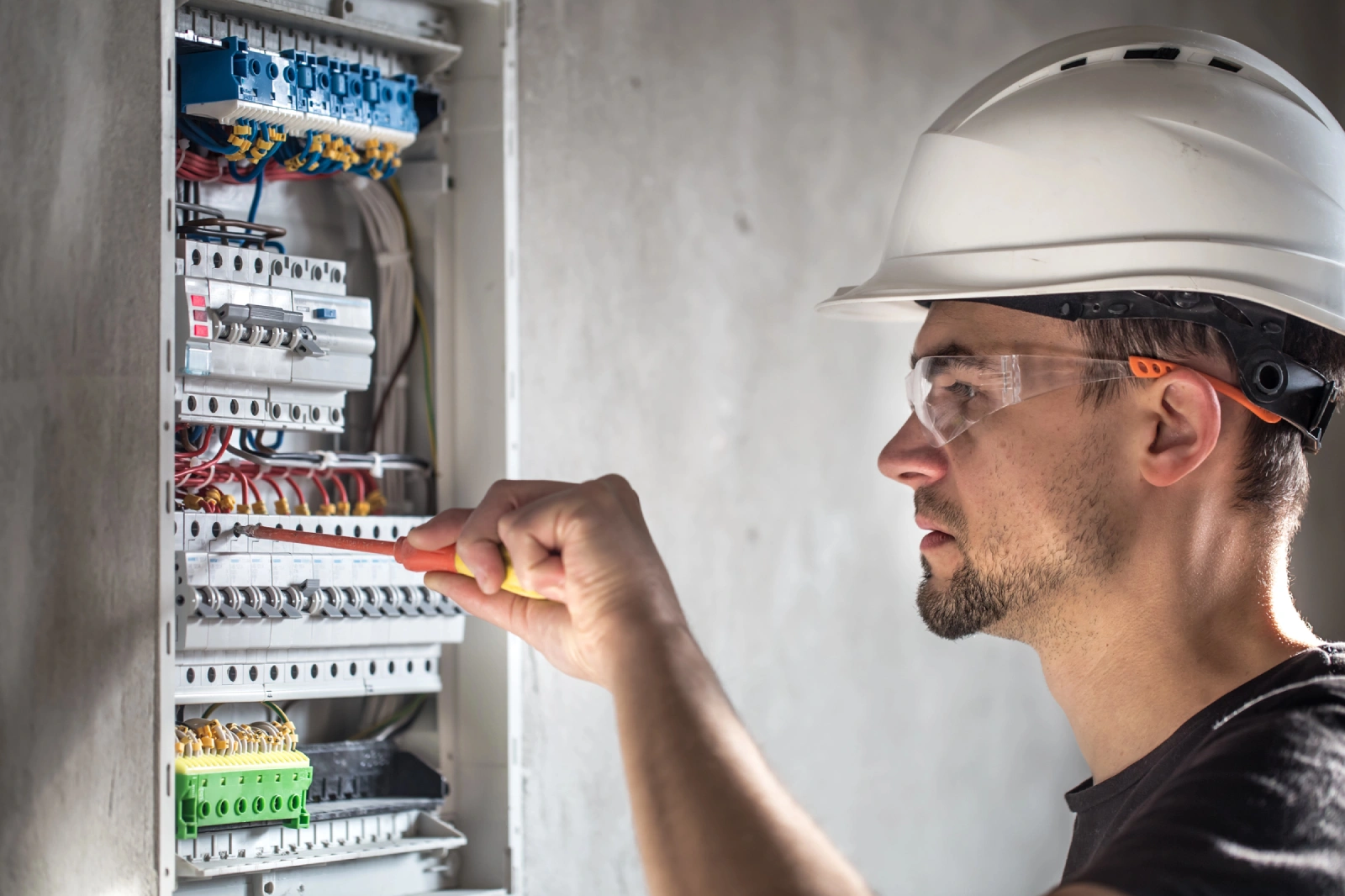
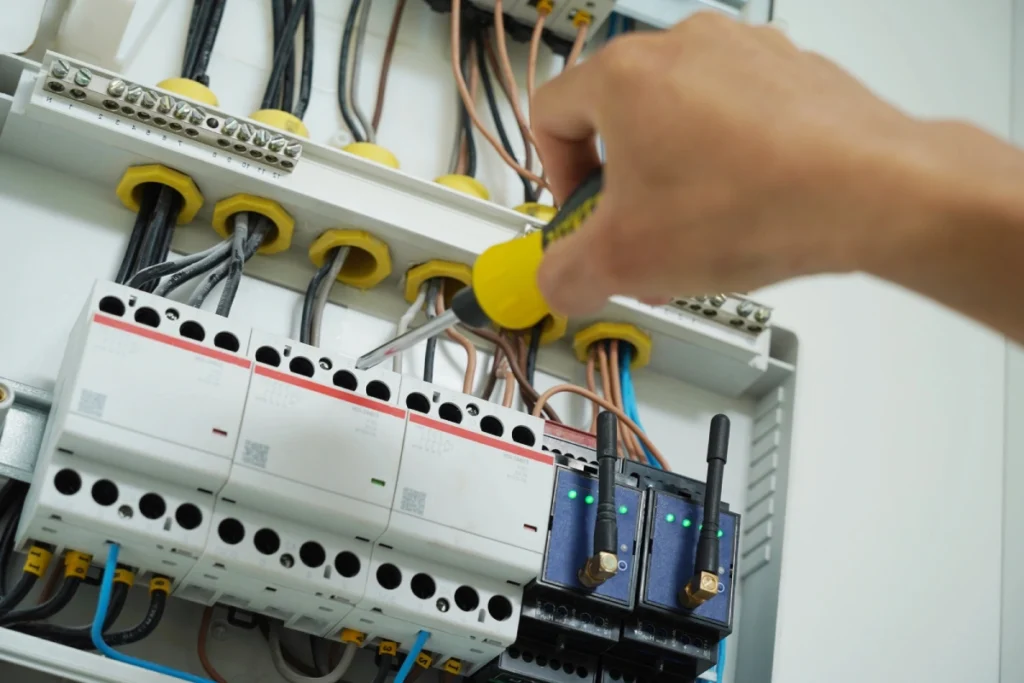
While a surge-protected power board is a great first line of defence for a single device, it can’t protect all the electronics in your home. For that, you need a whole-house surge protector, professionally installed at your main switchboard. This device protects everything in your home that’s connected to the electrical system—from your oven and air conditioner to your security system and every power outlet.
At Uncommon Electricians, we can install a whole-house surge protector that provides complete peace of mind, knowing that your valuable electronics are protected from a sudden power spike.
Don’t gamble with your expensive gear. For a professional assessment and installation of surge protection in your home, contact us today.
Give us a call at 07 3074 9486 or visit our website.