At Uncommon Electricians, this is one of the most common concerns we’re called out for in Ipswich homes. In this article, we’ll explain why lights flicker when appliances turn on, what it means for your electrical system, and when it’s time to call a licensed electrician.
Is Occasional Flickering Normal?
A very brief, minor dimming of lights when a large appliance starts can sometimes be normal — especially in older homes. Appliances such as air conditioners, refrigerators, and pumps draw a higher current when starting up.
However, repeated, noticeable, or worsening flickering is not normal and usually indicates that your electrical system is under stress or not compliant with modern standards.
Common Causes of Flickering Lights
1. Overloaded Circuits
One of the most common causes of flickering lights is overloaded circuits. This happens when:
Multiple appliances are running on the same circuit
The circuit wasn’t designed for modern loads
High-demand appliances start and draw extra current
Older Ipswich homes are particularly prone to this issue due to limited circuit capacity.
2. Voltage Drop When Appliances Start
When a large appliance starts, it momentarily draws extra power. If your electrical system cannot supply this demand efficiently, a voltage drop occurs — causing lights on the same circuit to dim or flicker.
Frequent voltage drops can indicate:
Undersized cabling
Poor circuit design
Inadequate switchboard capacity
3. Loose or Deteriorating Connections
Loose connections are a serious concern. Over time, connections at:
Switchboards
Light fittings
Power points
can loosen due to age, vibration, or poor workmanship. Loose connections cause resistance, heat buildup, and flickering — and significantly increase fire risk.
4. Aging or Non-Compliant Wiring
Older wiring systems may struggle to handle modern electrical loads. In Ipswich homes, we sometimes find:
Degraded insulation
Old cable types
Wiring damaged by pests or moisture
While the lights may still work, the system may no longer be safe or efficient.
5. Switchboard Issues
Your switchboard plays a major role in power distribution. Flickering lights can indicate:
Overloaded circuits
Incorrect breaker sizing
Lack of dedicated circuits
Outdated or non-compliant switchboards
A modern switchboard ensures stable power delivery and proper protection.
6. Appliance-Related Electrical Issues
In some cases, the appliance itself may be contributing to the problem. Faulty motors, compressors, or internal wiring can draw excessive current when starting.
A licensed electrician can determine whether the issue lies with the appliance or the home’s electrical system.
Why Flickering Lights Shouldn’t Be Ignored
While flickering lights may seem harmless, they can signal:
Increased fire risk
Reduced appliance lifespan
Electrical inefficiency
Potential insurance issues
Under Queensland electrical safety laws, electrical installations must be safe and properly maintained. Ongoing electrical issues should always be investigated by a licensed professional.
What You Should Not Do
If your lights flicker when appliances turn on, you should never:
Attempt DIY electrical repairs
Ignore repeated flickering
Replace breakers without assessment
Assume the issue will resolve itself
Electrical work in Queensland must be performed by a licensed electrician. DIY electrical work is illegal and dangerous.
How a Licensed Electrician Fixes Flickering Lights
A professional electrician will:
Assess circuit loads
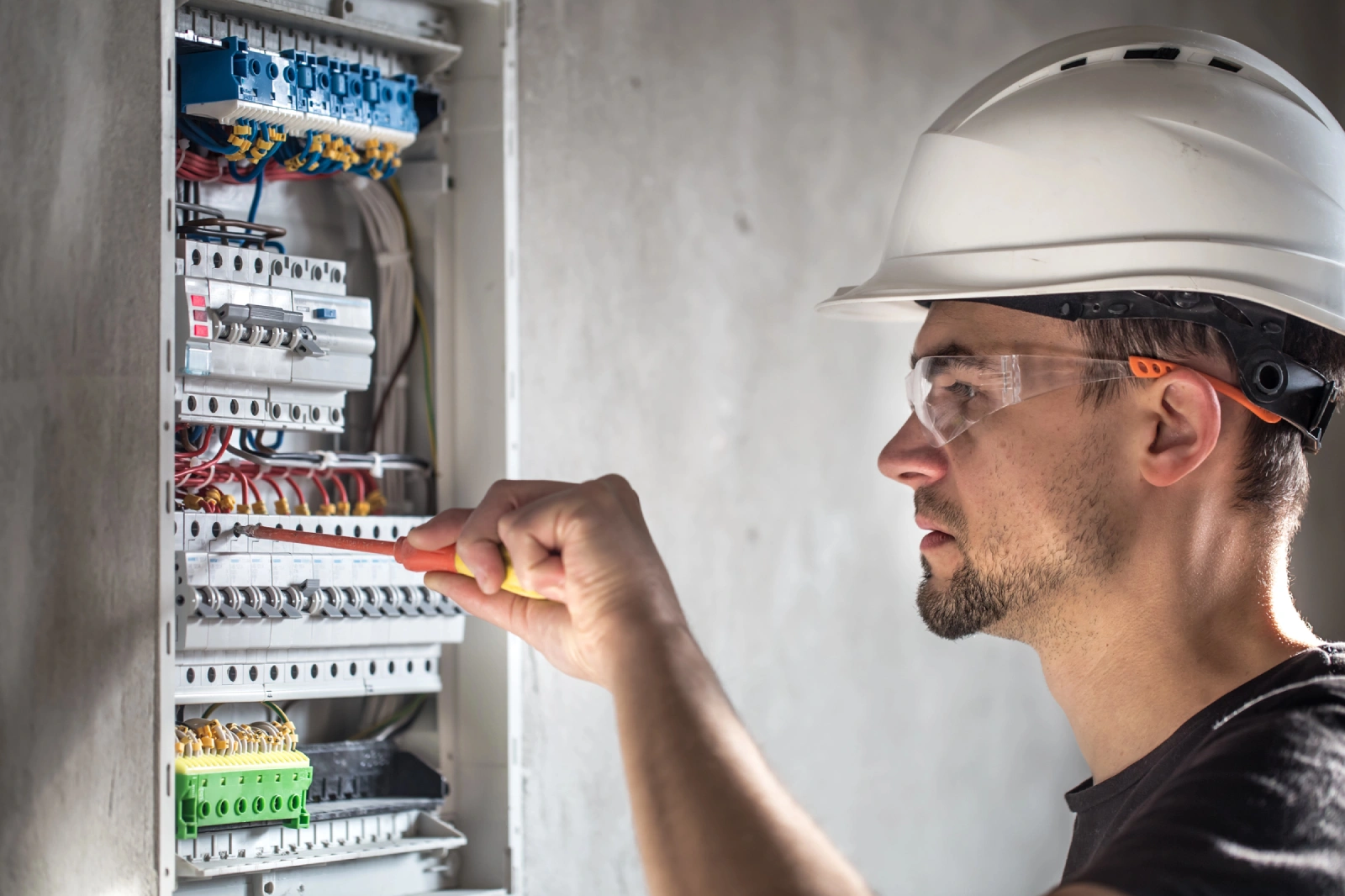
Inspect wiring and connections
Test switchboard components
Identify voltage drop issues
Recommend compliant upgrades
Solutions may include:
Adding dedicated circuits
Upgrading wiring
Switchboard upgrades
Redistributing electrical loads
Why Ipswich Homeowners Trust Uncommon Electricians
At Uncommon Electricians, we don’t just fix symptoms — we identify the root cause. Our clients choose us because we:
Are fully licensed and insured in Queensland
Arrive on time and work neatly
Explain issues clearly and honestly
Provide long-term, compliant solutions
We take the stress and uncertainty out of electrical issues.
Book an Electrical Inspection Today
We’ll ensure your electrical system is safe, stable, and built for modern living — the uncommon way.
We’ll help reduce fire risks and protect your home — the uncommon way.
Give us a call at 07 3074 9486 or book a service on our website.